Originally published in The Newnan Times-Herald, read here.
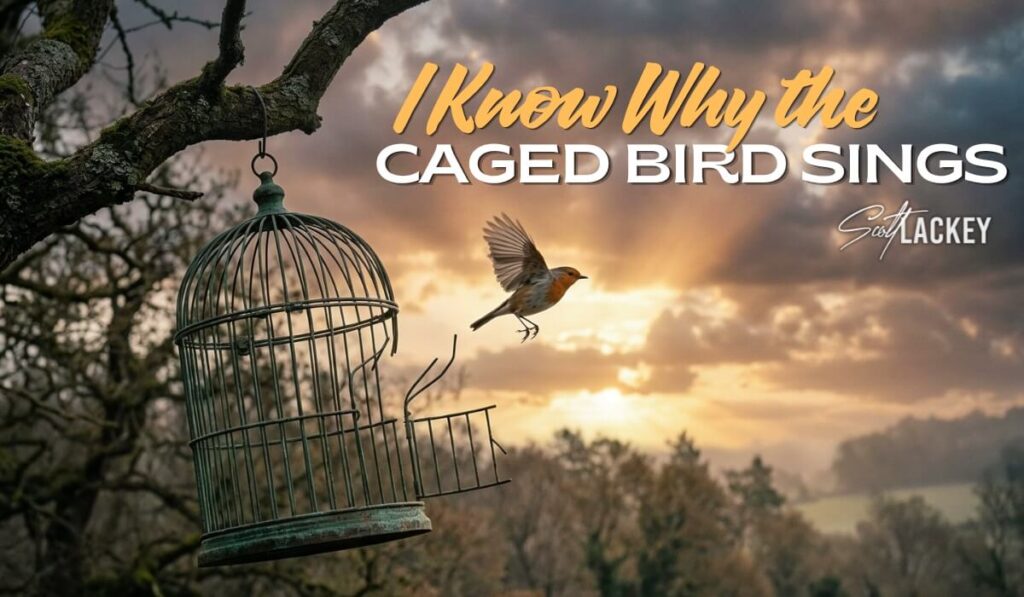
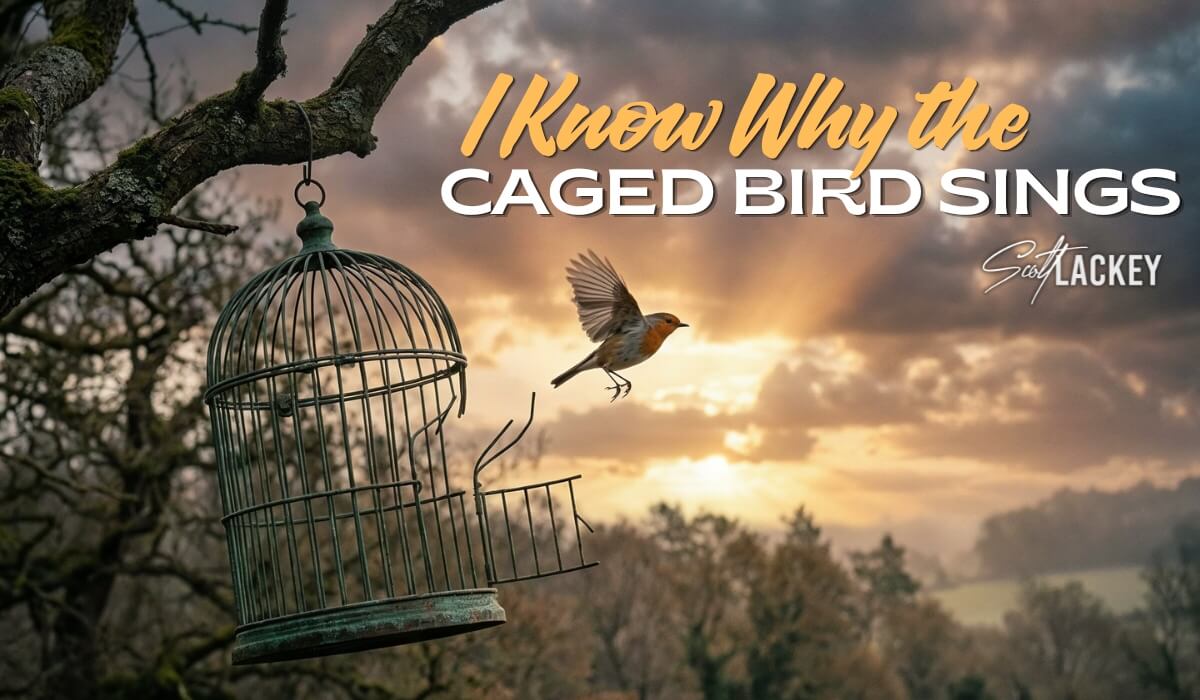
In 1899, Paul Laurence Dunbar wrote a poem titled “Sympathy.” The last line of the poem says, “I know why the caged bird sings.”
What an image to consider.
A beautiful bird, created to soar across open skies and sing freely for the world to hear, yet confined inside a cage … and still it sings.
Maybe its song is a memory of what once was.
Or perhaps it sings for what it still hopes to see again.
The older I get, the more I think about how many people quietly live inside life’s cages while still trying to sing their songs.
Some sing about loss.
Some about hope.
Some about love.
Some about survival.
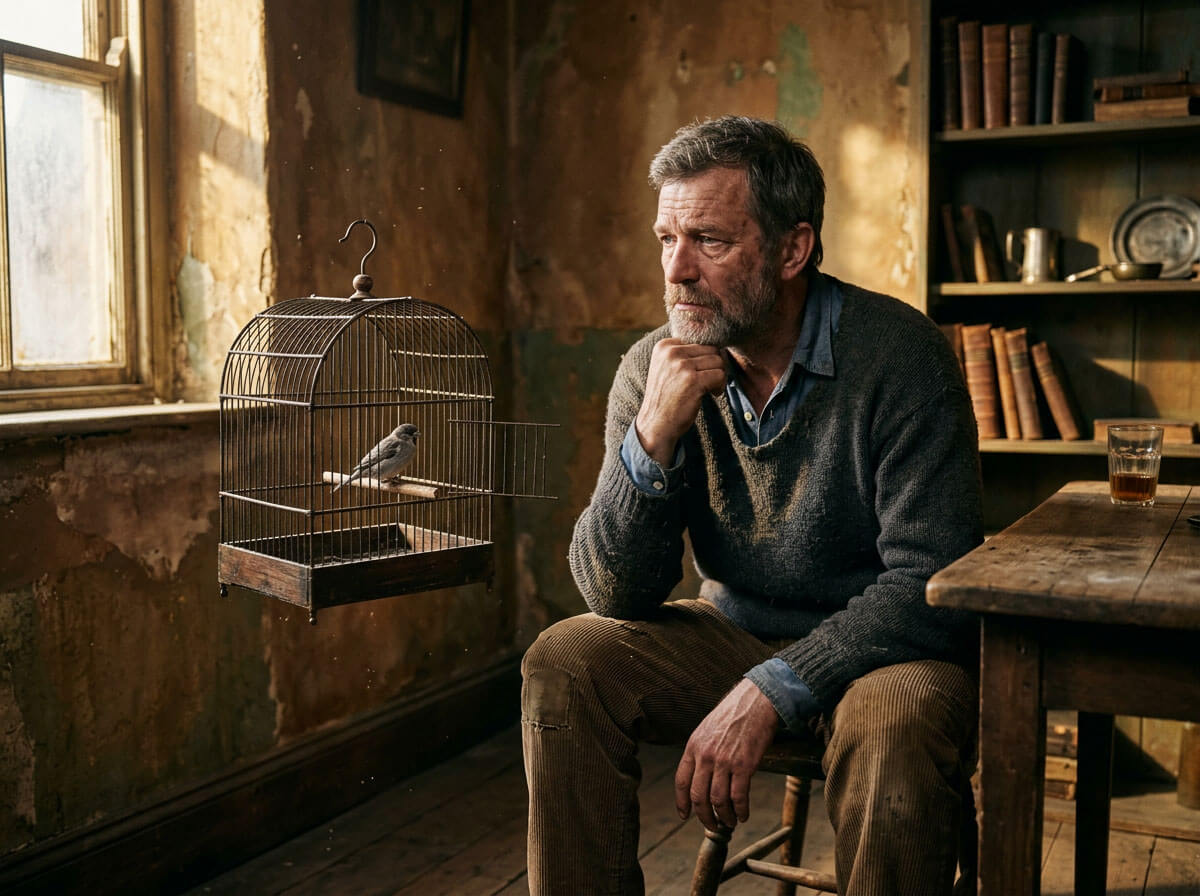
And some have become so accustomed to the cage that they no longer remember what freedom felt like, and they have lost their song.
I want to ask you a question: What is your song? Is it about what once was … or what you still hope might be?
For most of my life, I believed everything worked through addition. The more I add to my life, the more fulfilled I become. It made perfect sense to me. Acquire the things you love, and they will make you happy, fulfilled, and bring peace and joy.
I believed addition compounded.
Serve in the military.
Invent something in the desert.
Launch the invention.
Build a business.
Build a career.
Earn the degree.
One accomplishment leading to another until eventually life itself would begin singing a beautiful song back to me.
Then one day, on a not-so-special day, at a not-so-special time or location, I woke up. Surrounded by all of my “additions,” I took inventory, and it all felt worthless. I began to wonder, how did I get here? That’s when I realized I was lost. And the thing about realizing you are lost is that you’re past the point of retracing your steps. It’s in this place that I had to admit something I never wanted to say: I am not where I am supposed to be.
Admitting I was lost gave me awareness.
Evaluating my surroundings, everything felt heavy. I felt the attachment to everything in my life and the weight of the obligations. The past itself was a tether. This was one of my first lessons: life is not about addition, but rather about subtraction. I found myself in life’s cage, singing a song about hope.
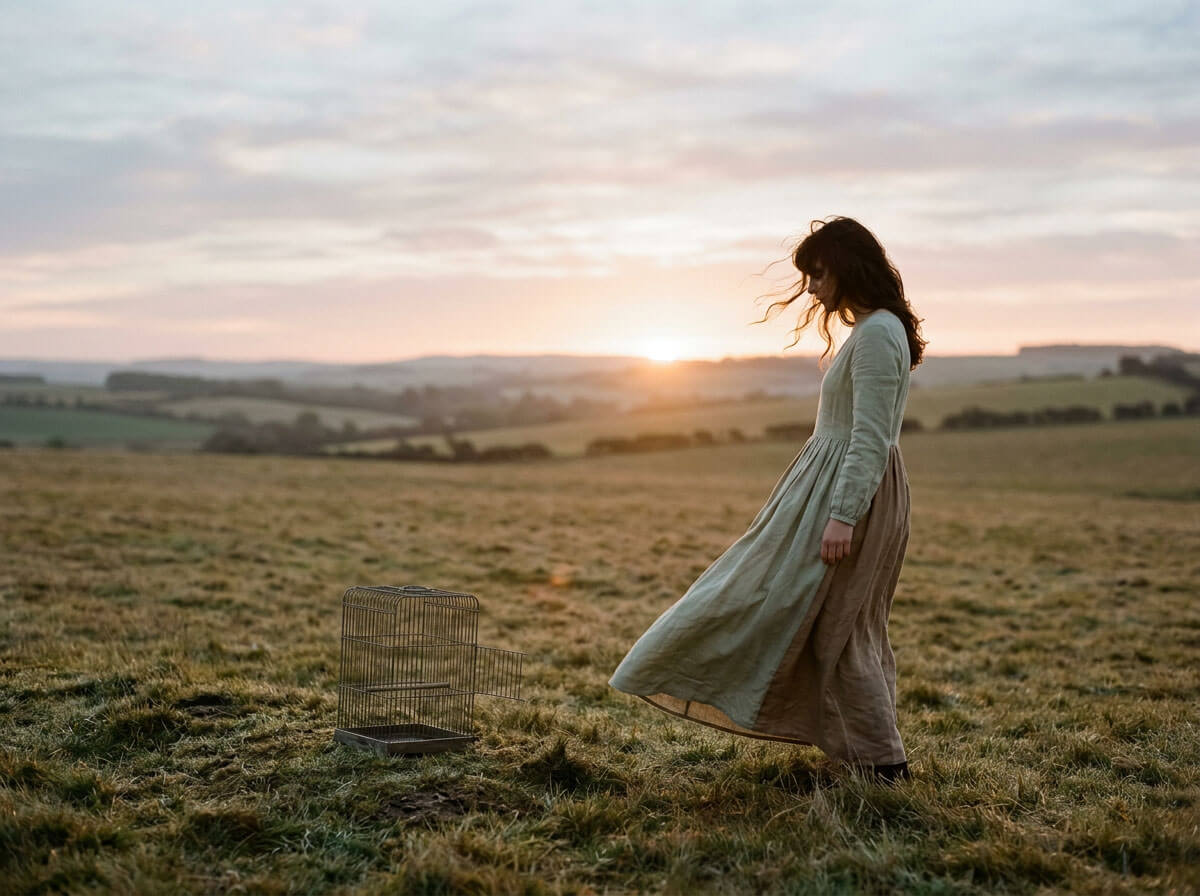
Figuring out how to live a life of subtraction was a longer journey. I learned that there are things you must let go of because they were never meant to go with you.
Old fears
Limiting beliefs
Some relationships
Bad definitions
It was the subtraction that gave me the freedom to move forward. It was subtraction that taught me that the more of myself I sacrifice, the more of myself I find.
Over time, as I practiced subtracting from my life, I came to my own conclusion about Dunbar’s closing line in his poem “I know why the caged bird sings.” I believe it’s love. The kind of love that is not endless because it always feels good. Endless love because of what it asks us to carry.
Bearing burdens.
Enduring hardship.
Choosing something again after disappointment, exhaustion, misunderstanding or pain.
That kind of love costs something, yet its song is true regardless of where you are in life.
Which is exactly why it matters.
I think we often misunderstand freedom; we imagine it as the absence of weight. No responsibility. No sacrifice. No surrender.
But I’m not sure that’s freedom at all, and it’s not love.
I think that kind of life eventually becomes its own cage.
A lonely one.
Real freedom and love ask something from us. It requires sacrifice. It dismantles the version of us that needs complete control to feel safe. It exposes selfishness we didn’t know we were protecting.
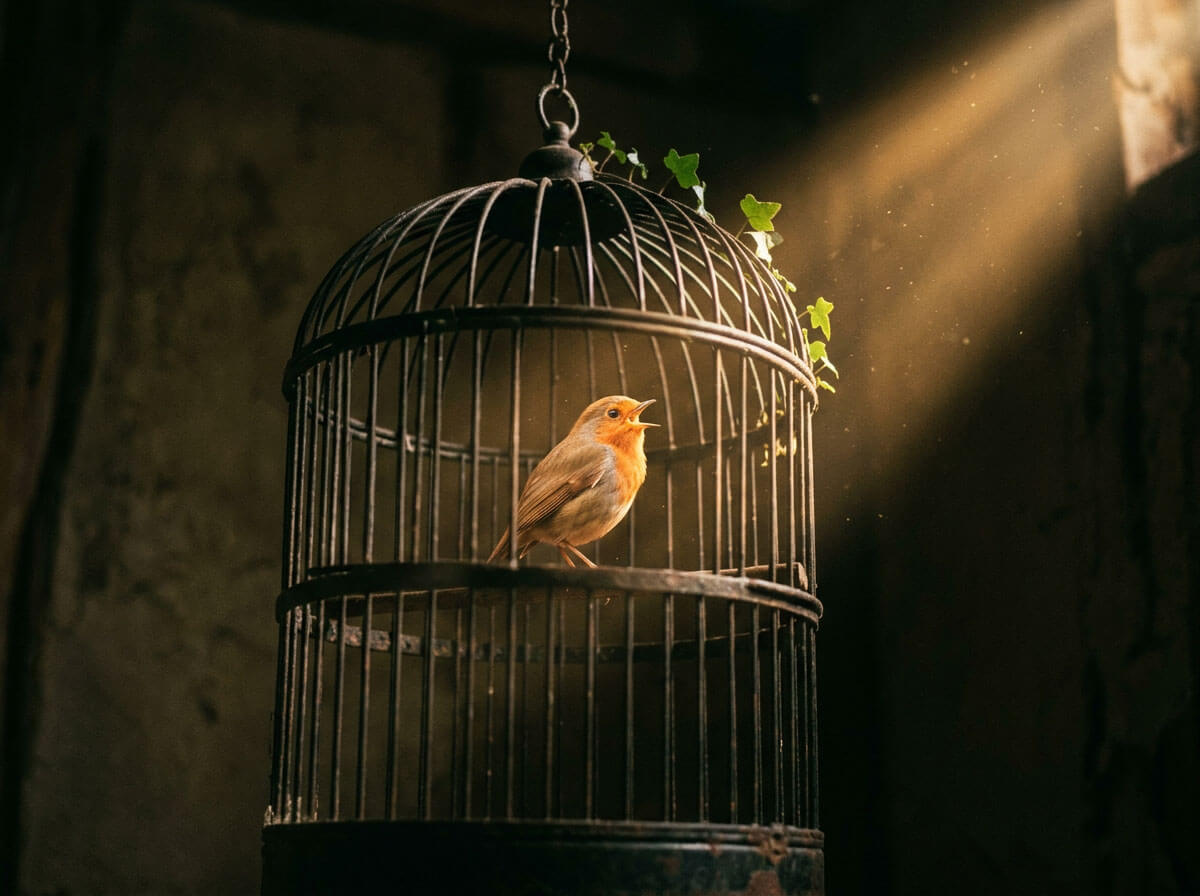
And strangely enough, that is where life’s song begins to deepen.
Maybe that is why the caged bird sings.
Not because it has lost freedom.
But because it has finally found something worth staying for.
And perhaps that is the great mystery of life.
The things we fear will imprison us and often become the very things that teach us how to love.
What song are you singing?
Until next time, I’ll leave you with that…